Written by Ellie and Ray | Fueled by Coffee
Can an outstanding cast make an overwhelming movie worth watching? Primetime gave us plenty to discuss and two different reactions to its intensity.
We both admired Robert Pattinson and the supporting cast. We also shared one frustration: the excessive facial close ups. But where Ellie found the lighting and atmosphere overwhelming, Ray felt the sustained tension helped make the film compelling.
What’s Your Brew?
- Ellie: 80% — Freshly Brewed
- Ray: 87% — Freshly Brewed
We score movies independently. These percentages represent our personal evaluations, not the percentage of reviewers who liked a film.
Our scale runs from Burnt (0–59%), through Freshly Brewed (60–89%), to Premium Roast (90–100%). Same movie, two opinions.
What Is Primetime About?
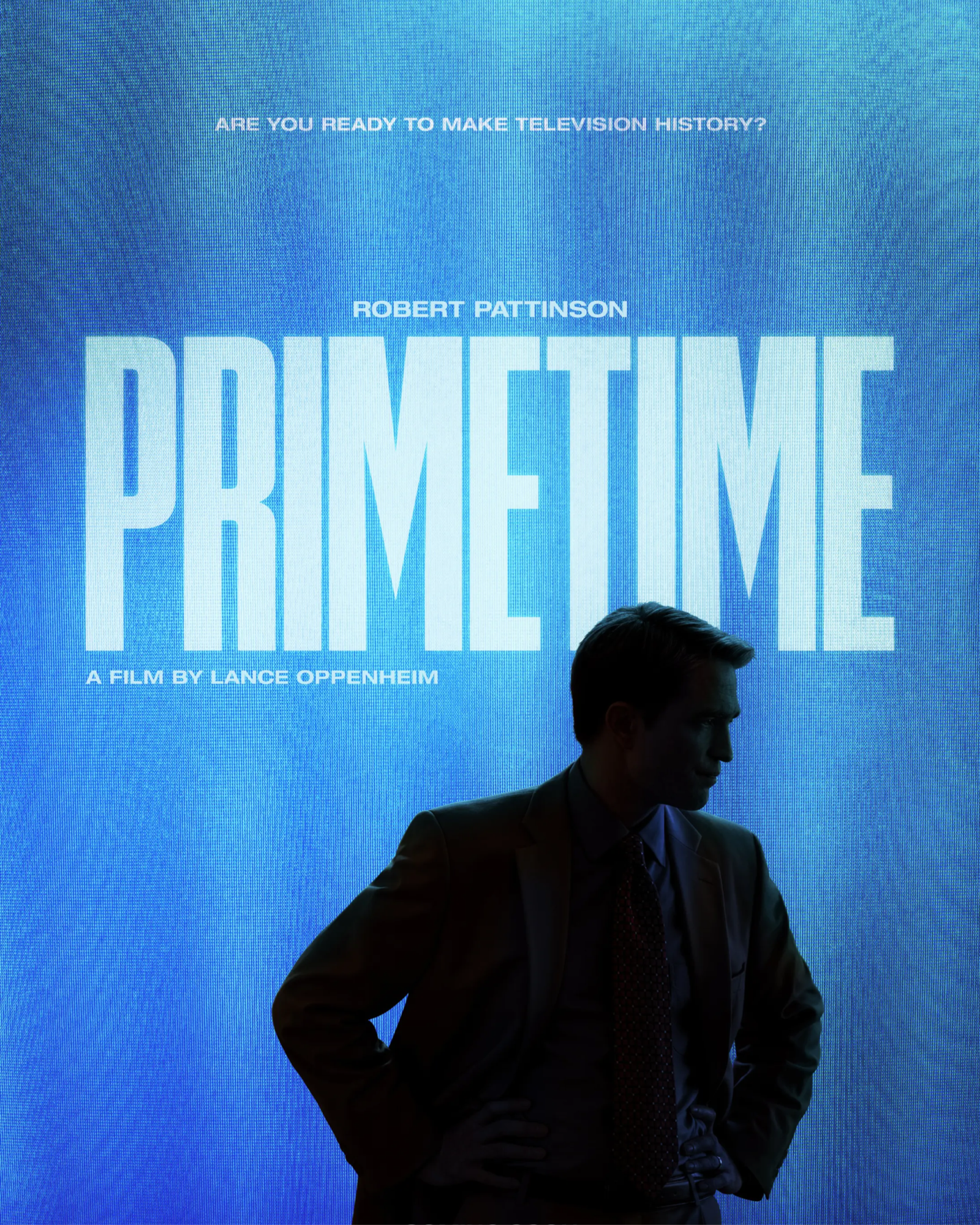
Directed by Lance Oppenheim, Primetime follows Chris Hansen and the production surrounding To Catch a Predator. It draws on Luke Dittrich’s Esquire article, “Tonight on Dateline This Man Will Die,” exploring the uneasy relationship between journalism, entertainment, and the pursuit of compelling television.
We’re reviewing the film as a dramatization, rather than treating its portrayal as a documentary account of the real people involved.
Our individual reviews below are spoiler free. A clearly marked spoiler discussion follows.
Content note: The film includes disturbing discussions of child sexual exploitation and emotionally intense situations.
Ellie’s Take — 80% | Freshly Brewed
Primetime felt intense from its opening moments, but that intensity didn’t always work for me. The lighting and tight close ups left me uneasy and, at times, anxious. I understand that discomfort can be intentional, especially with this subject matter, but the visual choices often overwhelmed me rather than drawing me into the story.
I also struggled with the tone. At different points, the movie seemed to move between drama, thriller, and even felt like a horror movie at times, without bringing those elements together convincingly. I appreciate films that mix genres, but here the shifts felt forced. The story already had enough uncomfortable material to create tension without pushing the atmosphere so hard.
The acting, however, was the best part of the movie and ultimately what saved it for me. Robert Pattinson was excellent as Chris Hansen. From the tone and cadence of his voice to his posture and the way he stood, the details of his performance were impressive.
Skyler Gisondo and Merritt Wever were outstanding, too. The cast kept me engaged even when the filmmaking didn’t fully connect with me. Their performances were the reason I remained invested.
The most interesting question for me was whether the people behind the cameras were covering a story or helping create one. The film’s exploration of that boundary gave me plenty to think about, even though I wanted a more measured approach to its presentation.
My 80% reflects a film with performances I strongly admired and ideas worth discussing, alongside visual and tonal choices that didn’t suit me. I appreciated what Primetime was exploring more than I enjoyed the experience of watching it.
Ray’s Take — 87% | Freshly Brewed
I loved Primetime. It takes a hard dive into the disturbing world of To Catch a Predator through its portrayal of Chris Hansen and the television production surrounding him. The writing is compelling, the cast is phenomenal, and the intensity rarely lets up.
This is an uncomfortable watch, but for me, that discomfort makes the experience powerful.
Robert Pattinson is incredible throughout the film. He captures Hansen’s walk, posture, and distinctive way of speaking with an attention to detail that feels eerily familiar. His delivery of “You see how this looks, right?” is one of those moments where the resemblance really lands.
As impressive as Pattinson is, the supporting cast deserves recognition, too. Phoebe Bridgers, Merritt Wever, and Skyler Gisondo all bring their best. Their performances help sustain the tension and make the production’s uncomfortable atmosphere convincing.
My biggest criticism is the excessive use of facial close-ups. At times, the camera is so tightly focused on the actors’ faces that you almost forget they have bodies. I wanted more space to appreciate their physical performances and the environments around them.
The close ups contribute to the anxiety, but they become overused. On that point, Ellie and I agree.
The writing remained a major strength for me. I found the film’s portrayal of ambition and ego compelling, and the disturbing conversations left me thinking about how little we may know about the people around us. Some of the dialogue genuinely turns your stomach.
I give Primetime 87%. Despite my frustration with the close-ups, the performances, writing, and sustained intensity made it one of this year’s standout films for me. I’ll be watching awards season with interest, especially to see whether the cast receives the recognition I think it deserves.
Highly recommended but this is a heavy, unsettling film that won’t be an easy watch for everyone.
Where We Agree and Where We Differ
For both of us, the cast is Primetime’s strongest asset. Pattinson’s detailed performance and the supporting actors’ work kept us engaged. We also both wanted the camera to give those performances more breathing room.
Our biggest difference is how the intensity affected us. For Ellie, the lighting, close ups, and shifts in tone made the experience overwhelming. For Ray, the sustained tension helped make the story compelling despite those visual frustrations.
Both scores land in Freshly Brewed, but for different reasons.
Spoiler Discussion
Spoilers ahead: this section discusses specific scenes and the film’s outcome.
Skyler Gisondo’s Standout Transition
One of my favorite moments was Gisondo’s transition from sounding like a young teenage decoy to imitating Hansen. That shift demonstrated his range and made the layers of performance within the television production particularly noticeable.
It was a moment where the acting communicated something interesting without needing the visual intensity that Ellie found overwhelming elsewhere.
Reporting the News or Creating It?
The film’s central concern is the pursuit of compelling television regardless of the cost. Its portrayal of Hansen emphasizes ambition and control, positioning him as a villain within the story rather than a detached journalist. By the time the story reaches its fatal outcome, the distinction between reporting events and shaping them becomes difficult to ignore. That ethical question stayed with us, even though we responded differently to how the film presented it.
These are our readings of the film’s characterization, rather than claims that every scene accurately represents Hansen or the real events.
What Did You Think?
Did Primetime’s intensity pull you into the story, or did the lighting and close ups make it difficult to watch?
And did the performances change your overall opinion?
Tell us your take in the comments.
Leave a Reply